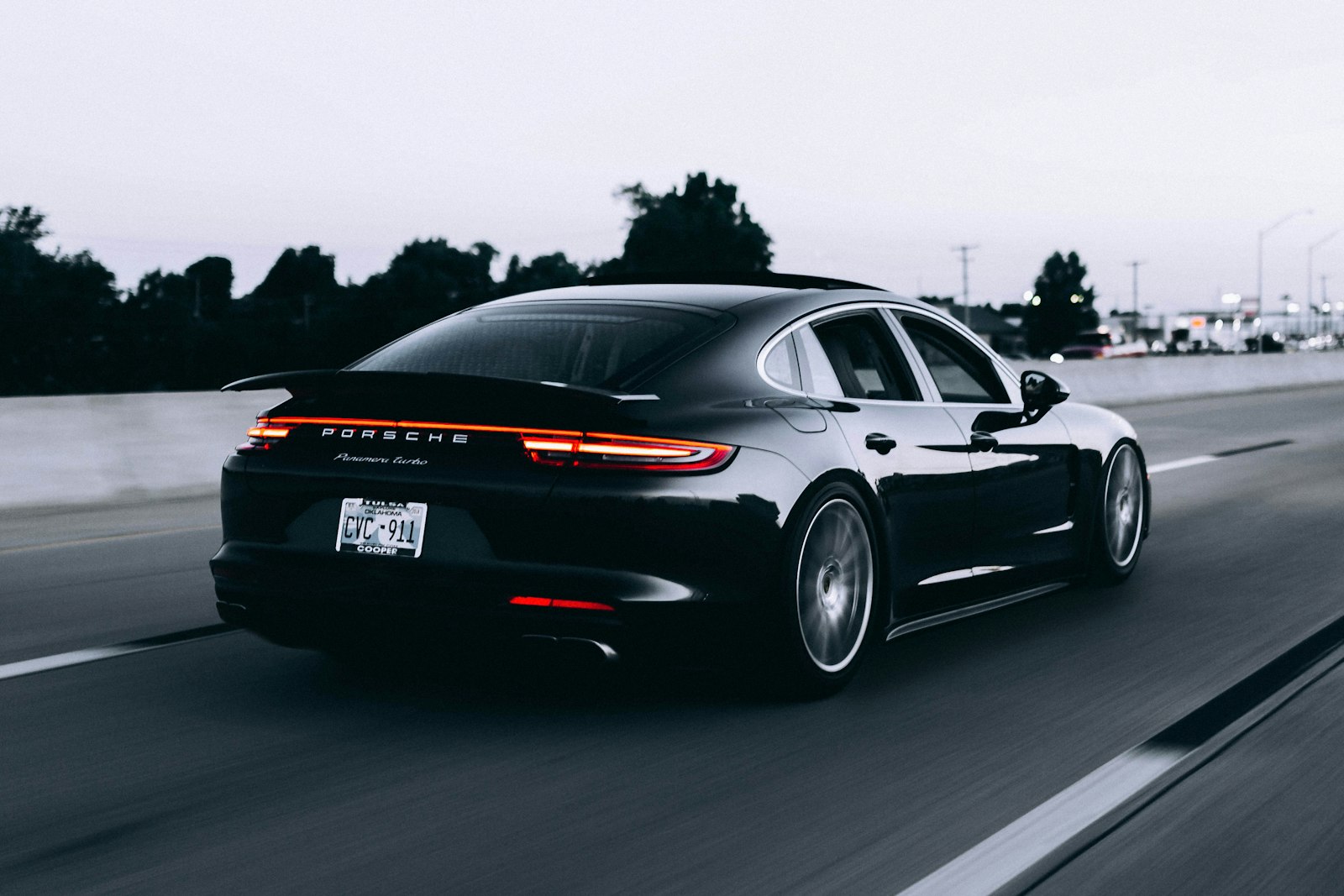
Why the EV rules changed everything
In late 2022, the Australian Government passed the Electric Car Discount Bill. In plain English, it made most new electric cars exempt from Fringe Benefits Tax when purchased through a novated lease. That single change turned what used to be a modest tax break into one of the biggest personal finance opportunities of the decade for salaried Australians.
Before the exemption, a novated lease on a petrol car saved you some tax but you paid FBT (or an equivalent post-tax contribution) to offset the benefit. With eligible EVs, that whole post-tax portion disappears. The entire lease — repayments, insurance, registration, servicing and even home charging — can be paid from pre-tax salary with no FBT to worry about.
The result is that thousands of Australians can now drive a brand-new Tesla, BYD, Polestar, MG, Hyundai or Kia electric car for less than they were paying for a much cheaper petrol vehicle on a normal car loan.
Which cars actually qualify?
To be FBT exempt, a car must meet three tests. First, it must be a battery-electric vehicle (BEV), a plug-in hybrid (PHEV) with a valid arrangement in place before 1 April 2025, or a hydrogen fuel-cell vehicle. Second, it must be first held and used on or after 1 July 2022. Third, its list price must be below the luxury car tax threshold for fuel-efficient vehicles, which is reviewed each financial year.
As of the 2026 financial year, the fuel-efficient LCT cap sits above $91,000. That range covers the Tesla Model 3, Tesla Model Y, BYD Atto 3, BYD Seal, MG4, Polestar 2, Hyundai Ioniq 5 and 6, Kia EV6, Volvo EX30, and many others. Some higher trims of the Model Y and EV6 sit near the cap, so always confirm the driveaway price with your dealer before signing.
Plug-in hybrids lost the exemption on 1 April 2025 for new arrangements. If you already had a PHEV novated lease in place before that date, you keep the exemption until the end of your term. Anyone starting fresh after that date needs a fully electric vehicle to unlock the FBT saving.
A real worked example: Tesla Model Y for $110k gross salary
Let's say Priya earns $110,000 a year and wants a Tesla Model Y RWD priced at around $68,000 driveaway. She chooses a five-year novated lease with 15,000 km per year and bundles in insurance, registration, servicing and home charging.
Under the FBT exemption, Priya's yearly lease budget is around $17,500, all paid from pre-tax salary. Because that comes off her taxable income first, her yearly income tax drops by roughly $6,300. Add the GST saving on the car price (about $6,180 over the lease term), and her true out-of-pocket cost is thousands lower than a bank car loan on the same vehicle.
In fortnightly terms, her take-home pay drops by roughly $350, but she now has a brand-new Tesla with insurance, rego, servicing and charging all paid for. Compared to owning a mid-range petrol SUV with a loan and paying fuel and running costs out of pocket, she is often ahead by more than $100 a fortnight — while driving a better car.
The hidden savings people forget about
Everyone talks about the FBT exemption, but the real total-cost-of-ownership win comes from combining several savings at once.
First, there is the tax saving on the pre-tax lease payment itself. Second, there is the GST that the finance company claims back on the vehicle purchase price. Third, fuel savings — a Tesla Model 3 typically costs $500–$900 per year to charge at home versus $2,500–$3,500 for a petrol equivalent. Fourth, servicing on an EV is often 40–60% cheaper because there are far fewer moving parts. Fifth, some states still offer stamp duty exemptions or registration discounts on EVs.
Stack those five savings and you are looking at a total advantage of $5,000 to $10,000 per year compared with an equivalent petrol car on a personal loan. That is genuine, spendable money in your household budget.
Home charging: the ATO safe harbour rate
One of the smartest features of an EV novated lease is that home charging costs can be reimbursed through your pre-tax salary. The ATO publishes a safe harbour electricity rate — currently 4.20 cents per kilometre — that you can multiply by your yearly kilometres to work out the reimbursement, without having to install a separate meter.
For example, 15,000 km at 4.20c/km is a $630 yearly charging budget. That amount is paid from pre-tax salary through your packaging provider, which is worth roughly $200–$230 in tax back at typical marginal rates.
If you prefer, you can install a smart charger with its own meter and claim the exact kilowatt-hour cost. Both methods are ATO-approved. The safe harbour rate is simpler; the meter method can be better if you charge a lot at home on cheap off-peak rates.
Public and workplace charging
Public fast charging costs (like Chargefox or Evie networks) can be added to your novated lease running costs bucket in exactly the same way as petrol receipts. Keep the tax invoice, upload it through your packaging provider's app, and the amount comes out of your pre-tax budget.
Workplace charging is even simpler: if your employer provides free EV charging as a workplace benefit, it is not counted as extra income and does not affect your novated lease. It is essentially a bonus perk on top of the tax savings you already get.
Choosing the right EV for a novated lease
The best EV for a novated lease depends on your driving habits and family needs. For urban commuters who mostly drive under 200 km per day, a smaller EV like the MG4 or BYD Dolphin gives huge savings because the purchase price is low and the tax benefit stacks quickly.
For families who need space, the Tesla Model Y, BYD Sealion 6, Kia EV5 and Hyundai Ioniq 5 all fit under the LCT cap in their standard trims and offer 450+ km of real-world range. These are the sweet spot for households replacing a mid-size SUV.
If you want performance or luxury, the Polestar 2, Kia EV6 GT-Line, and BMW iX1 sit near the cap. Just double-check the driveaway price including on-road costs, because going a single dollar over the LCT threshold kills the FBT exemption for the whole lease.
What are the risks or downsides?
The main risk is buying a car right on the edge of the LCT cap. Prices change, dealer accessories add up, and if the final invoice pushes over the threshold, the FBT exemption is lost. Always ask your dealer for a driveaway quote and confirm it is under the cap in writing before signing the novation.
The second thing to watch is your residency at your workplace. If you leave your job, the lease follows you but the FBT exemption only continues if your new employer also offers salary packaging. If you go self-employed, you may need to refinance to a private loan (still cheaper than most bank loans, but not as tax-effective).
Finally, EVs have strong residual values today, but if the market shifts and used EV prices drop, you could end up with a residual that is higher than the car's trade-in value. To be safe, choose a term of three to five years and keep the yearly kilometres realistic.
Step-by-step: setting up an EV novated lease
Step one: pick an eligible EV under the LCT cap. Get a driveaway quote from the dealer including any accessories.
Step two: enter the price, your salary and estimated yearly kilometres into our free EV novated lease calculator to see your tax saving and fortnightly cost.
Step three: contact your HR or payroll team. Confirm your employer offers novated leasing and, if so, which packaging provider they use.
Step four: get two or three lease quotes and compare the interest rate, fees and running cost budget lines. Cheap-looking headline payments sometimes hide expensive add-ons.
Step five: sign the paperwork, take delivery, and enjoy driving one of Australia's most tax-effective cars — with no fuel bill and much lower servicing costs for the whole life of the lease.
Frequently asked questions
Is the FBT exemption permanent?
The exemption is set in legislation with a review scheduled after mid-2027. Existing leases keep their exemption for the whole term, so signing sooner locks in the benefit.
Does the FBT exemption apply to used EVs?
Only if the used EV was first held and used on or after 1 July 2022 and its original price was under the LCT cap. Older EVs bought new before that date don't qualify.
Can I include home charging in the lease?
Yes. You can use the ATO's 4.20c/km safe harbour rate or an approved smart meter to reimburse home charging costs from your pre-tax salary.
Run the numbers for your situation
Use our free Australian novated lease calculator to see exactly how much you could save.
Open the calculator